Leather Goods · Silk · Ready-to-Wear
Hermès
"The original quiet-luxury house — built on saddles, run on scarcity."
- Established
- 1837
- Founder
- Thierry Hermès
- Origin
- Paris, France
Gallery
01 / 03
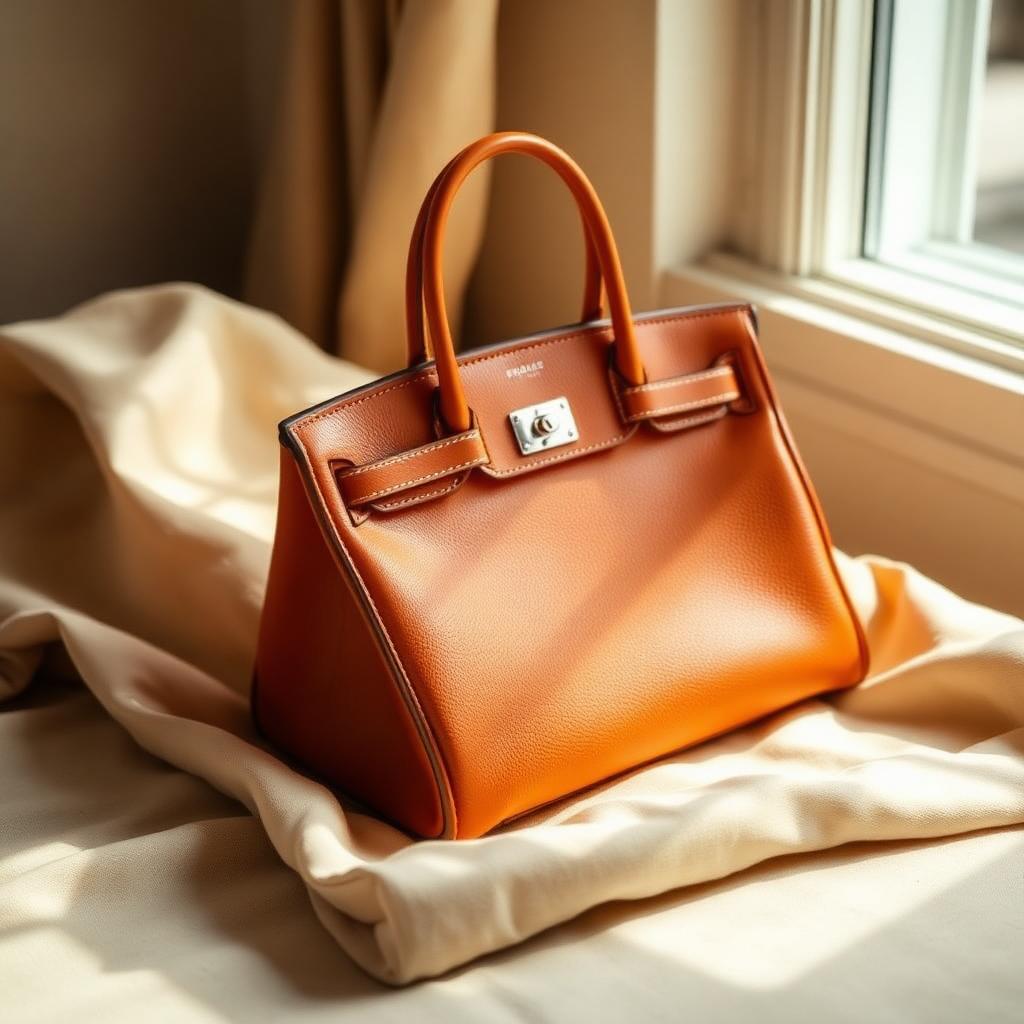
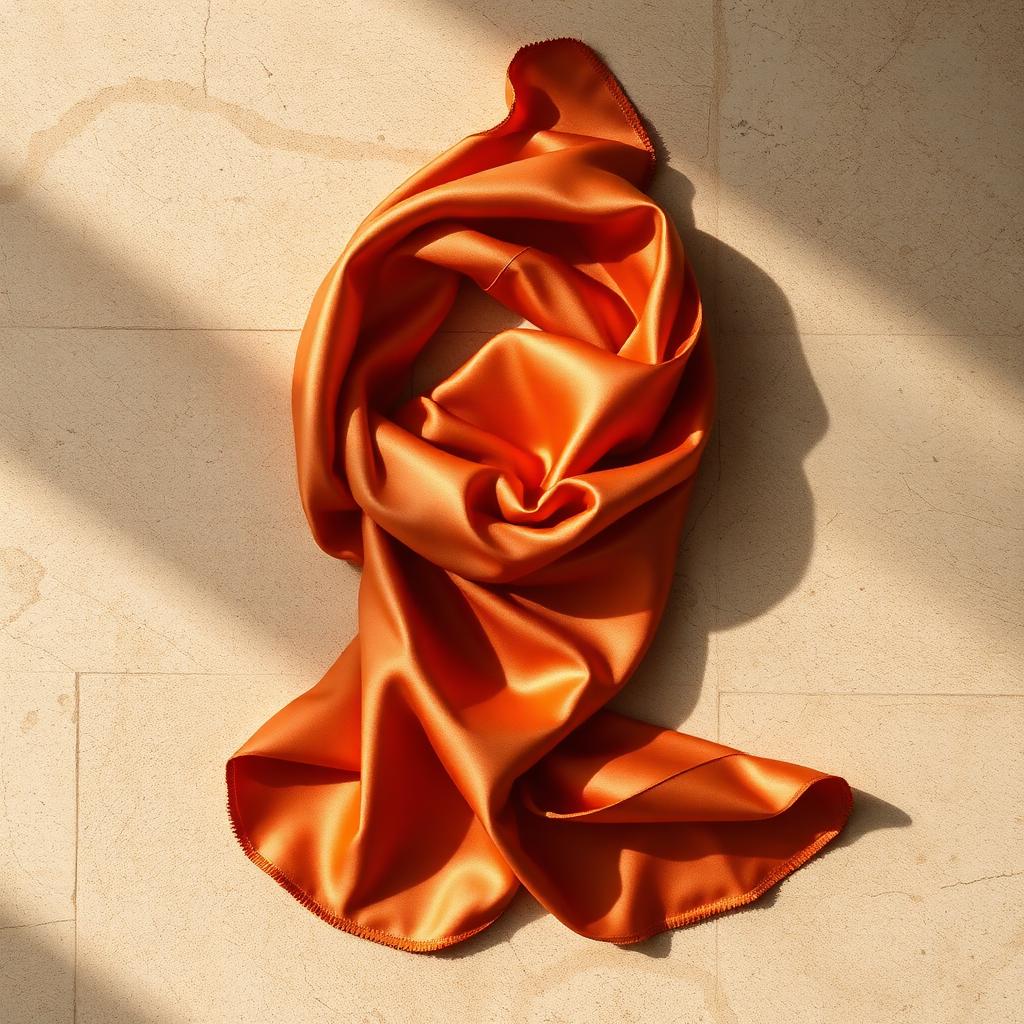
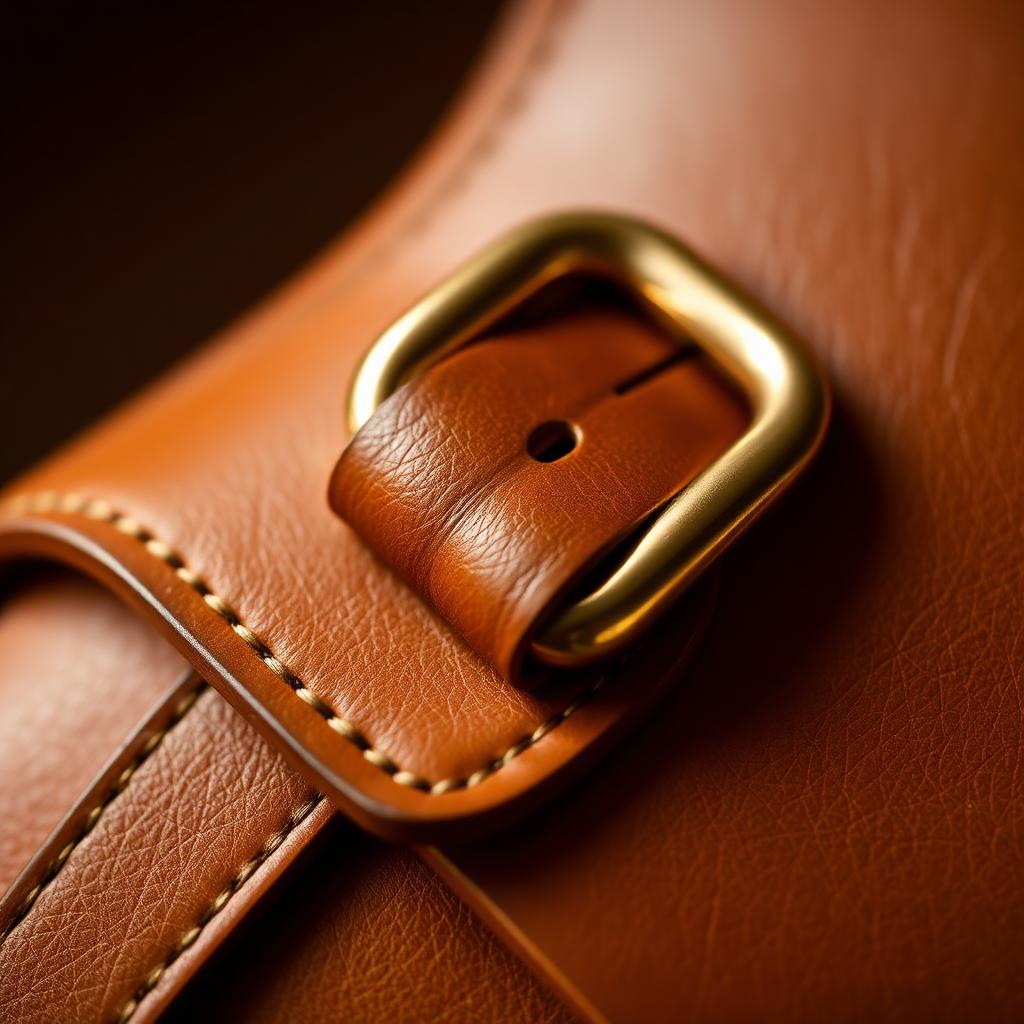
The orange box and saddle-stitched leather — Hermès' enduring signature.
Brand origin
Thierry Hermès opened a small harness workshop on the Rue Basse-du-Rempart in Paris in 1837, crafting saddles and bridles for European nobility. His obsession with precision hand-stitching and the finest leathers set a standard that six generations later still defines the house.
Heritage
Hermès began as a Parisian harness workshop serving European nobility. Six generations later it is still family-controlled, still hand-stitching leather in France, and still pricing scarcity as a feature, not a bug. The orange box, the calèche logo and the saddle-stitch are all direct descendants of that 19th-century saddlery.
House codes
- ◆Saddle stitch (two needles, one thread)
- ◆Orange box and chocolate-brown ribbon
- ◆Calèche horse-and-carriage logo
- ◆Togo, Epsom, Clemence, Box Calf leathers
- ◆Carré silk scarves (90×90cm, hand-rolled hems)
Iconic pieces
Birkin
1984Born from a flight conversation between Jane Birkin and Jean-Louis Dumas. The most famous handbag in the world.
Kelly
1956Renamed for Grace Kelly after she used the Sac à Dépêches to shield her pregnancy from paparazzi.
Constance
1959Shoulder bag with the iconic H clasp. Beloved for everyday elegance.
Carré 90 Silk Scarf
1937Over 2,000 designs released. Each takes ~2 years from sketch to finished scarf.
Oran Sandal
1997The H-cutout flat sandal that quietly defined resort dressing.
Collectibility & resale
Birkin and Kelly bags in classic leathers (Togo, Epsom) and neutral colours (Noir, Gold, Etoupe) have historically held or appreciated in the resale market — often selling above retail. Exotic skins (where legally available) and rare colours trade at significant premiums. Seasonal colours and trendy leathers tend to be softer on resale.
Resale platforms like Sotheby's, Christie's, Privé Porter and The RealReal regularly publish Birkin/Kelly indices. Historical appreciation is not a forecast of future returns — markets shift, taste shifts, and condition is everything.
Spotting the real thing
- —Saddle stitching is angled and perfectly even — machine stitches are straight and uniform.
- —Blind stamp inside the bag indicates the year of production and craftsperson.
- —Hardware is heavy, smooth and engraved 'HERMES PARIS MADE IN FRANCE'.
- —Lining leather (chèvre goat) has a subtle natural grain — never plasticky.
- —Always authenticate through a reputable third party before buying secondhand.
How to acquire
Hermès does not maintain a public waitlist for Birkin or Kelly bags. Building a relationship with a specific Sales Associate at your local boutique — and a purchase history across silks, shoes, homeware and RTW — is the traditional path. Pre-owned through verified resellers is faster but typically costs more than retail.
Where to find it
- Flagship
24 Faubourg Saint-Honoré, Paris — the original 1880 store, restored saddlery upstairs.
Visit ↗ - Official site
hermes.com — limited online stock; surprise drops on weekday mornings (CET).
Visit ↗ - Global boutiques
~300 owned boutiques worldwide — New York (Madison Ave), London (New Bond St), Tokyo (Ginza Maison).
- Trusted resale
Sotheby's & Christie's handbag auctions, Privé Porter, The RealReal, Vestiaire Collective (expert-authenticated).
Visit ↗
Educational content — not financial advice. Historical resale performance is not a guarantee of future value. Markets shift, tastes shift, and condition is everything.
Explore more houses